Mediation
Mediation is a process that helps people resolve conflicts and make decisions together. It is a way to resolve conflicts without going to court.

Mediation is a safe, confidential space where people in conflict can talk things through, with support. If you’re having a tough time working something out with someone, or you know a hard conversation needs to happen but don’t know where to start, mediation can help.
Share your perspective
“Being able to explain my viewpoint and confront the other person with their accusations” - Mediation Participant
Clarify what matters most to you
“It was like a family discussion centered on finding solutions and allowing all equal time and opportunities to discuss.” - Mediation Participant
Understand the other person’s point of view
“They allowed us to talk and restated what we were saying to make sure we all understood what each one was saying.” - Mediation Participant
Explore possible ways forward, together
“It took a lot and we asked a lot of questions and they were patient in guiding us. Not a pressure cooker, it gave us time to think, reflect and come to our senses.” - Mediation Participant
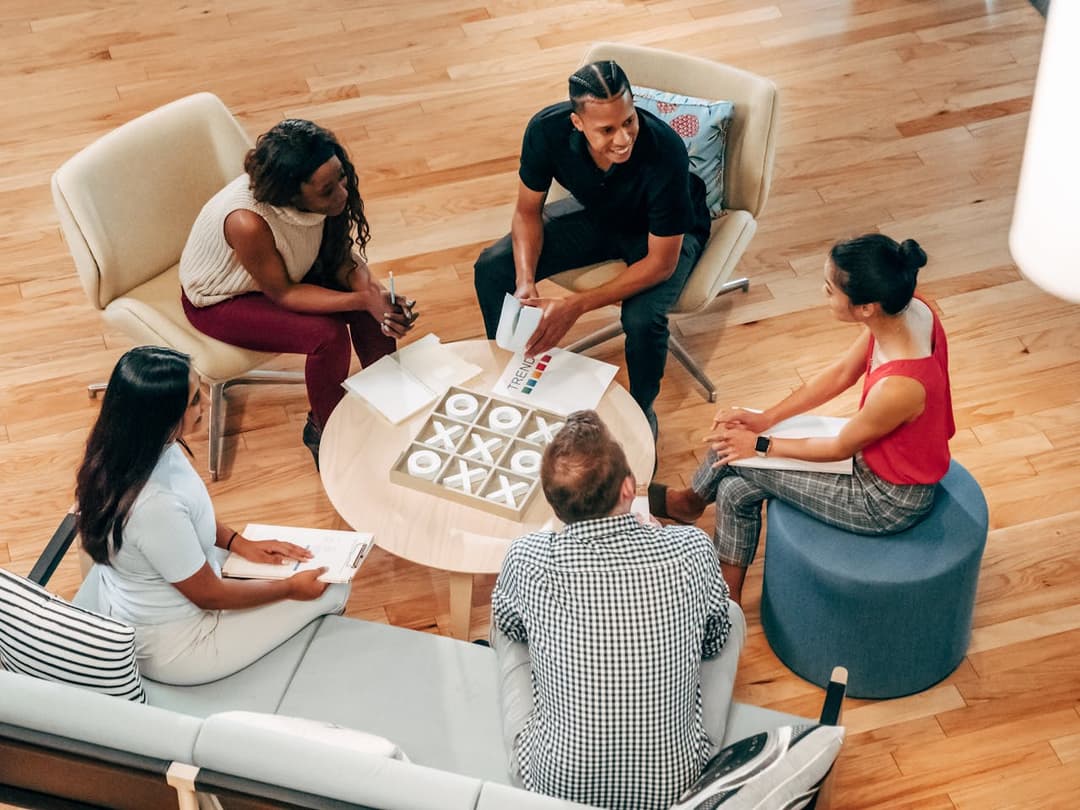
Why Choose Mediation?
You and the other party lead the process. Mediators help hold space for clarity, respect, and shared solutions.
It is confidential. What is shared in mediation stays private (except in rare safety situations). That confidentiality creates space for honesty, reflection, and real solutions.
It supports real relationships. Many conflicts involve people we live with, work with, or care about. Mediation offers a respectful space to listen, speak honestly, and either repair the relationship or move forward with understanding.
It is accessible. Mediation at MCRC is offered at no cost, because access to conflict resolution shouldn’t depend on income. It’s a people-centered alternative to court that prioritizes dialogue over punishment.
How can it help me?
Most of us have what it takes to resolve conflict. Sometimes we just need space, support, and someone to guide the conversation.
Your voice matters.
Mediators help make sure the conversation is fair and respectful, giving each person space to share their side and really listen to others.
You stay in control.
Community mediation is a powerful alternative to hiring a lawyer or going to court. It’s collaborative, confidential, and often more sustainable, because the people involved created the agreement themselves.
You create the solutions.
There’s more than one way to resolve conflict. Mediation is a collaborative, confidential alternative to court that puts decision-making in your hands. When people craft their own agreements, they’re more likely to follow through and feel heard in the process.
You’re not forced to decide.
If you’re not ready to resolve certain parts of the conflict, that’s okay. Mediation honors your pace.
Community mediation is a powerful alternative to hiring a lawyer or going to court. It is collaborative, confidential, and often more sustainable, because the people involved created the agreement themselves.
Who are the mediators?
Mediators are not decision-makers. They don’t give advice or make judgments. Instead, they create a space for collaborative problem-solving so you and the other person can come up with solutions that fit your unique situation. At MCRC, we use a co-mediator model, which means there are two mediators in each session. This ensures balance, collaboration, and greater support for everyone involved. Each mediator is a specially trained volunteer from Howard County or a neighboring community. Mediators are here to:
Step 1: We Listen First
Before anything else, we meet individually with each person involved. This is your chance to tell your story, ask questions, and learn more about how mediation works. We explain what to expect and talk through whether this process feels like a good fit for you.
Step 2: We Find a Time That Works
If everyone agrees to move forward, we work together to schedule your session. We coordinate with two of our trained volunteer mediators to find a time and place that works for all involved, often in your neighborhood or online.
Step 3: We Ask for Your Consent
Before the session begins, all participants sign a simple agreement that outlines the voluntary and confidential nature of mediation. This ensures that everyone is entering the space willingly and with shared expectations.
Step 4: Everyone Gets to Speak
We start by inviting each person to share their perspective. Each participant has uninterrupted time to speak about what’s been happening and what matters to them. There’s no need to debate or convince: this is about being heard.
Step 5: We Look for Shared Ground
With the support of mediators, you’ll begin to notice shared concerns or goals. In many conflicts, even if people disagree on the details, they often care about some of the same things: feeling respected, keeping a neighborhood safe, or protecting a relationship.
Step 6: We Explore Possibilities
Once common ground is established, the group begins to explore ways forward. Mediators help guide the conversation as participants suggest ideas and alternatives that could address shared concerns. All ideas are welcomed. This is a space for creativity and collaboration.
Step 7: You Choose What Works
Together, you’ll reflect on each possible solution: what might work, what needs adjusting, and whether it feels fair. Sometimes an agreement is reached, and sometimes the process leads to a better understanding, even if full agreement isn’t yet possible.
Step 8: We Reflect
At the end of the process, we invite participants to share how it felt, what they learned, and what next steps, if any, they’d like to take. This final reflection helps us improve, and it gives you a chance to close the conversation with clarity and care.
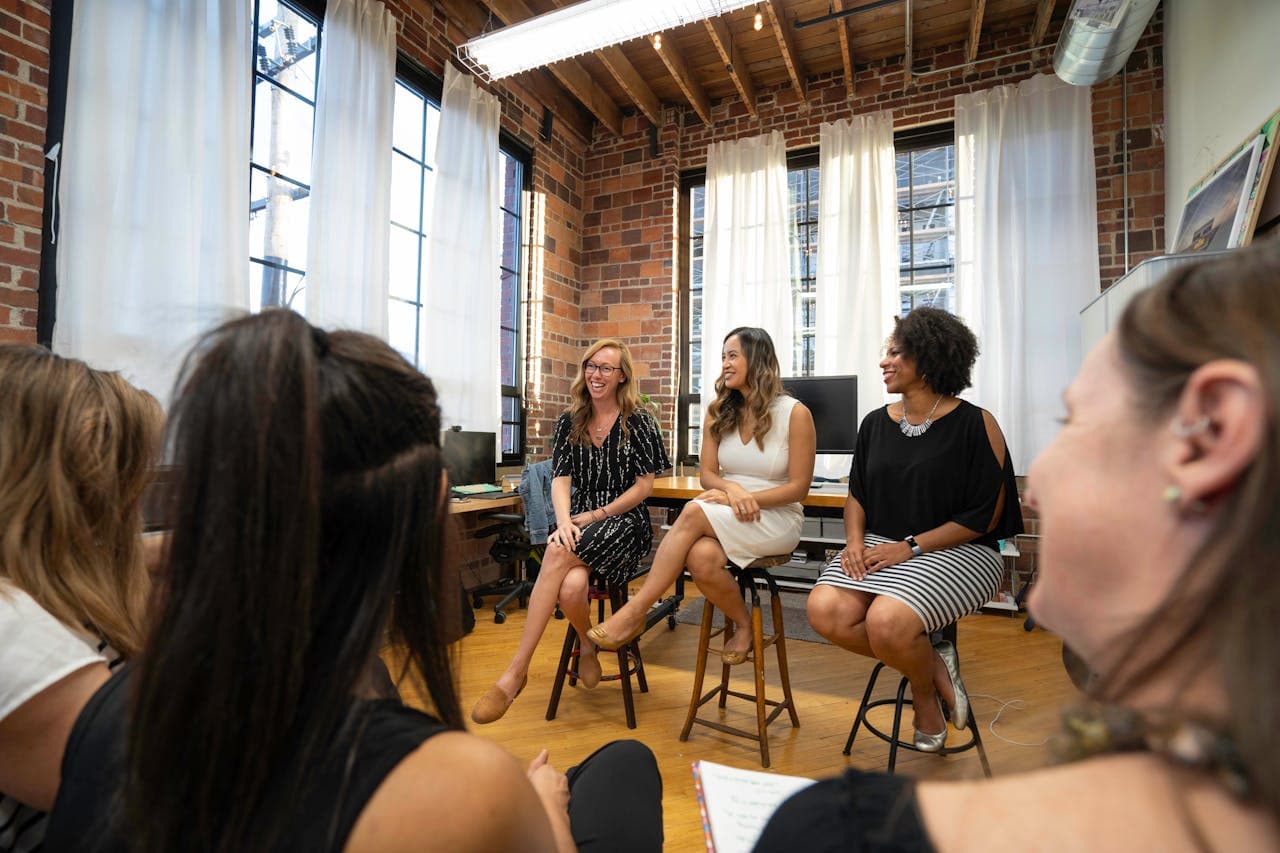
A Note from Us
We believe conflict is a part of being in community and that navigating it with care, clarity, and connection is possible. Mediation isn’t about winners and losers. It’s about creating space for change, for dignity, and for forward movement.
Types of mediation supported at MCRC
Family Mediation helps to resolve disputes in households
interpersonal relationships
- Two parents (married or not) and one or more children
- Married couple
- One parent and one or more children in their custody
- A household or group of people such as grandparents, aunts, uncles and cousins
Elder Care Mediation
As parents age, care planning can become a challenge for families and loved ones. Mediation offers a process to help guide and focus those discussions, ensuring all parties feel heard as plans evolve.
Parent/Child
Do you find yourself having communication issues with your child, or having the same arguments over and over? Mediation can help you explore the underlying issues. Do you have a child who recently earned their driver’s license? Or a new curfew? Do you have an adult child moving back into your home or moving a parent into your home? Mediation can help you explore expectations, create guidelines/rules, etc.
Parenting Plan
If you are separating, divorcing with children, or needing modifications to an existing plan, mediation can help you create a co-parenting plan. A way to move forward, apart, while keeping the values you wish to raise your children with at the forefront of your path moving forward.
Separation Services
If you need to support living arrangements and future plans regarding separation, mediation can be useful. Our goal is to help you navigate the separation process with dignity and clarity allowing you to move forward.
What mediation is not
Mediation is not arbitration
Mediation is not a court proceeding
Mediation is not counseling or therapy
Mediators do not provide legal advice or counsel
Mediators do not decide who is right or wrong
Mediators do not enforce agreements
When Should I Think About Mediation?
We often hear from people who say, 'I wish we had tried this sooner'. Sometimes, folks wait until they're exhausted, angry, or on the brink of a major decision. You don't have to wait that long
Anytime you’re facing conflict and want support: that’s the right time.
Mediation can be helpful at any stage of a disagreement:
In the early days, when communication is breaking down
In the middle, when tension is growing
Even later, when things feel stuck or overwhelming
Consider volunteering?
We depend on our volunteers because we believe in community-led solutions. Our mediators are everyday people (parents, teachers, neighbors) trained to support conversations that can lead to real change.